App user churn represents a significant drain on acquisition investments. While attracting new users is essential, the cost of acquiring a new customer is often five to seven times higher than retaining an existing one. For mobile applications, this dynamic is amplified; a user who downloads an app, uses it briefly, and then abandons it is a missed opportunity. Re-engaging these dormant users is not merely about reactivating a few accounts; it is a strategic imperative for long-term growth, improved lifetime value (LTV), and a stronger return on marketing spend. This guide outlines actionable strategies to identify, target, and convert lapsed app users back into active, valuable customers.
Understanding User Churn and Re-Engagement Potential
Before launching any re-engagement campaign, it is critical to understand why users disengage and who among them represents the highest re-engagement potential. Not all dormant users are created equal, and a blanket approach often yields inefficient results.
Identifying Dormant User Segments
Effective re-engagement begins with precise segmentation. Categorize users based on their past behavior, last activity date, and interaction patterns. Common segments include:
- Recently Inactive: Users who haven't opened the app in the last 7-30 days but were previously active. These users often have high re-engagement potential.
- Feature Drop-offs: Users who stopped using a specific core feature, indicating a potential unmet need or dissatisfaction with that particular functionality.
- Transactional Lapsed: Users who made purchases or completed key actions but have not done so recently. Their past conversion history suggests commercial intent.
- Deeply Dormant: Users inactive for 90+ days. While harder to re-engage, specific, high-value offers can sometimes reactivate a small percentage.
Analyzing these segments helps tailor messaging and offers, increasing the likelihood of a positive response. Look for commonalities within each group regarding their last in-app actions, device type, or demographic data.
Calculating Re-Engagement ROI
Measuring the potential return on investment for re-engagement efforts is crucial for resource allocation. This involves estimating the cost of reaching dormant users versus the projected LTV of reactivated users. Consider the average LTV of an active user and compare it to the cost of a push notification campaign, email sequence, or retargeting ad spend. A reactivated user who returns to consistent usage can contribute significantly to revenue without the higher acquisition cost associated with new installs.
Pro Tip: Focus re-engagement efforts initially on users who showed high engagement or made purchases shortly before becoming dormant. Their previous investment of time or money indicates a higher intrinsic value and a lower barrier to re-activation compared to users who barely engaged after installation.
Core Strategies for App User Re-Engagement
A multi-channel approach typically yields the best results, as users interact with brands across various touchpoints. Tailor each channel to the user segment and the specific re-engagement goal.
Personalized Push Notifications and In-App Messaging
These are direct, immediate channels for reaching users who still have the app installed. Personalization is key:
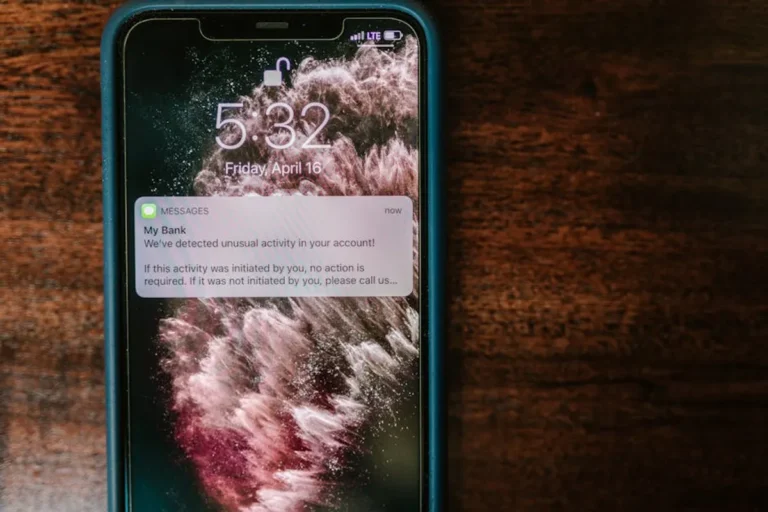
- Push Notifications: Triggered by inactivity, these should offer clear value. Examples include "We miss you! Check out our new [feature/content]" or "Your [cart/wishlist] is waiting." Timing is critical; send during peak usage hours for relevant segments.
- In-App Messaging: For users who open the app but do not engage, in-app messages can guide them. "Welcome back! Here's what's new since your last visit." or "Complete your profile to unlock [benefit]."
Best for: Users with the app installed, especially those recently dormant or those who abandoned a specific in-app flow.
Targeted Email and SMS Campaigns
Email and SMS are effective for reaching users who may have disabled push notifications or have been inactive for longer periods. These channels allow for more detailed messaging and stronger calls to action.
- Email: Use personalized subject lines and content. Highlight new features, exclusive offers, or content relevant to their past usage. A "win-back" series can be effective, gradually increasing the incentive over several messages.
- SMS: Ideal for urgent, concise messages. "Your [item] is back in stock!" or "Limited-time offer: 20% off your next purchase." Ensure compliance with local messaging regulations.
Best for: Users who provided contact information, suitable for more complex offers or longer-term re-engagement sequences.
Retargeting via Paid Channels
Leverage advertising platforms to reach dormant users across the web and social media. Upload custom audience lists based on inactivity segments to platforms like Google Ads, Facebook, and Instagram.
- Custom Audiences: Target users with specific ads showcasing new features, exclusive discounts, or reminders of the app's core value proposition.
- Lookalike Audiences: Once you identify reactivated users, create lookalike audiences to find new users with similar characteristics, optimizing future acquisition efforts.
Best for: Reaching deeply dormant users who might not respond to direct app communication, or reinforcing other re-engagement efforts.
Content Refresh and Feature Updates
Sometimes, users disengage because the app no longer meets their needs or offers fresh value. Regularly updating content, adding new features, or improving existing functionality can be a powerful re-engagement tool. Announce these updates prominently across all re-engagement channels, emphasizing how they solve a problem or enhance the user experience.
Best for: Addressing root causes of churn related to app utility or perceived value, providing a compelling reason for users to return.
Implementing Effective Re-Engagement Campaigns
Successful campaigns are built on a foundation of data, compelling communication, and continuous optimization.
Data-Driven Segmentation
Beyond simple inactivity, segment users by:
- Last In-App Action: Did they abandon a cart, complete a tutorial, or reach a specific level?
- Demographics: Age, location, language, if available.
- Purchase History: High-value vs. low-value customers.
- Engagement Level Before Churn: Highly engaged users who suddenly stopped are prime targets.
This granular data allows for hyper-personalized messaging, increasing relevance and response rates.
Crafting Compelling Value Propositions
Your re-engagement message must clearly articulate "What's in it for them?" This could be:
- Exclusive Discounts or Offers: "20% off your next order, just for you."
- New Feature Announcements: "You asked, we delivered! Check out our new [feature]."
- Problem Resolution: "Having trouble with [X]? Our new update fixes it."
- Personalized Content Recommendations: "Based on your past activity, we think you'll love [new content]."
The offer should be directly relevant to their past behavior or stated preferences.
A/B Testing and Iteration
Never assume a campaign will work perfectly from the outset. A/B test every element:
- Subject Lines: For emails and push notifications.
- Call-to-Action (CTA): "Return to app" vs. "Claim your offer."
- Offer Type: Discount vs. free trial vs. exclusive content.
- Timing and Frequency: When and how often to send messages.
Analyze results and iterate. Even small improvements in open rates or click-through rates can significantly impact overall re-engagement.
User Feedback Loops
Sometimes the best way to re-engage users is to ask them why they left. Implement in-app surveys for inactive users, or include a feedback option in re-engagement emails. Understanding pain points or missing features can inform product development and future re-engagement strategies, preventing churn before it happens.
Measuring Success and Sustaining Engagement
Re-engagement is not a one-time effort; it requires continuous monitoring and adaptation.
Key Performance Indicators (KPIs)
Track the following metrics to evaluate campaign effectiveness:
- Re-activation Rate: Percentage of dormant users who return to active status.
- Retention Rate of Reactivated Users: How long do reactivated users remain active? This indicates the quality of re-engagement.
- Lifetime Value (LTV) of Reactivated Users: The revenue generated by reactivated users over time.
- Cost Per Reactivation: The expense incurred to bring a dormant user back.
- Churn Rate Reduction: Overall decrease in the rate at which users become inactive.
Automation and Workflow Integration
Automate re-engagement workflows based on user behavior triggers. For example, if a user hasn't opened the app in 14 days, automatically send a personalized push notification. If no response, follow up with an email three days later. Integrating these workflows with your CRM or marketing automation platform ensures scalability and consistency.
Practical Actions for Sustained App User Re-Engagement
To establish a robust re-engagement program, focus on these actionable steps:
- Segment your inactive users based on behavioral data and last active date.
- Develop tailored messaging and offers for each identified segment.
- Utilize a multi-channel approach: push notifications, in-app messages, email, SMS, and retargeting ads.
- Prioritize personalization in all communications to increase relevance.
- Continuously A/B test campaign elements to optimize performance.
- Implement feedback mechanisms to understand user churn reasons directly.
- Monitor key re-engagement KPIs to measure success and inform future strategies.
- Automate re-engagement workflows to ensure timely and consistent communication.
Frequently Asked Questions
What is the most effective channel for re-engaging app users?
The most effective channel depends on the user's inactivity level and preferences. Push notifications are excellent for recently dormant users, while email and retargeting ads are better for deeply inactive segments who may have disabled notifications.
How often should I attempt to re-engage inactive users?
Frequency should be strategic and not overwhelming. Start with a series of 2-3 messages over a 1-2 week period for recently inactive users. For deeply dormant users, a less frequent, high-value offer once a month or quarter may be more appropriate.
What kind of offers work best to reactivate users?
Offers that provide immediate, tangible value often perform well. This includes exclusive discounts, free premium features for a limited time, personalized content recommendations, or early access to new functionalities that directly address past usage patterns.
How long should I try to re-engage a user before giving up?
There's no universal cutoff, but after 3-6 months of no response to varied re-engagement attempts across multiple channels, the likelihood of reactivation significantly decreases. At this point, focus resources on users with higher re-engagement potential, while still keeping deeply dormant users on a very infrequent, low-cost communication track for potential future opportunities.