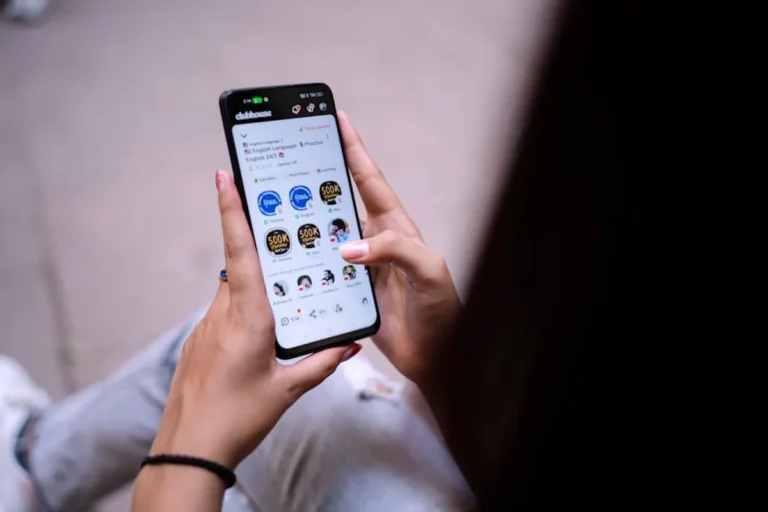

Building a successful mobile application extends far beyond its initial development. Sustained app growth requires a systematic approach, moving from foundational pre-launch considerations to continuous optimization post-launch. This checklist outlines the essential areas developers and marketers must address to achieve discoverability, user acquisition, engagement, and ultimately, commercial viability. Each component plays a critical role in the app's lifecycle, demanding strategic planning and execution to convert downloads into active, retained users. This systematic approach is vital for effective user acquisition and engagement, ensuring long-term app success.
Establishing Pre-Launch Foundations
Before an app even hits the app stores, critical groundwork determines its long-term potential. Neglecting these steps often leads to wasted marketing spend and poor initial traction.
- Market Research and Validation: Identify target audience demographics, pain points, and existing solutions. Validate the app's core value proposition through surveys, interviews, or beta testing. Understanding demand prevents building a product nobody needs.
- Competitive Analysis: Evaluate direct and indirect competitors. Analyze their features, pricing models, user reviews, and marketing strategies. This informs differentiation and identifies opportunities.
- Unique Value Proposition (UVP) Definition: Clearly articulate what makes the app distinct and valuable. This UVP will inform all marketing messages and product development.
- Legal and Compliance Review: Ensure adherence to data privacy regulations (e.g., GDPR, CCPA), intellectual property rights, and platform terms of service (Apple App Store, Google Play Store). Non-compliance can lead to app removal or legal issues.
- Analytics Implementation: Integrate robust analytics SDKs (e.g., Firebase, Amplitude) from day one. Define key performance indicators (KPIs) like daily active users (DAU), session length, retention rates, and conversion funnels. Without proper tracking, growth efforts remain guesswork.
Optimizing for App Store Discoverability (ASO)
App Store Optimization (ASO) is the process of improving app visibility within app stores and increasing app conversions. It is the mobile equivalent of SEO for websites.
Keyword Strategy and Implementation
Research relevant keywords using app store intelligence tools. Focus on a mix of high-volume, low-competition terms and long-tail phrases. Integrate these keywords naturally into the app title, subtitle (iOS), short description (Android), and keyword field (iOS). Monitor keyword rankings and adjust periodically.
Visual Assets and Branding
First impressions are crucial. High-quality visual assets directly impact conversion rates.
- App Icon: Must be distinctive, recognizable, and scalable across various device sizes. It should communicate the app's core function or brand identity.
- Screenshots: Showcase key features and user interface in action. Use clear, concise captions to highlight benefits. Test different screenshot sets to see what resonates.
- App Preview Video (iOS) / Promo Video (Android): A short, engaging video demonstrating the app's functionality and benefits. This often yields higher conversion rates than static screenshots alone.
Compelling Descriptions and Metadata
Craft a full description that expands on the UVP, highlights features, and includes a clear call to action. For Android, leverage the long description for keyword density. For iOS, focus on the first few lines as they are visible without tapping "more." Ensure consistent branding across all metadata fields.
Pro Tip: Regularly A/B test your app icon, screenshots, and app preview videos. Even minor changes in visual assets can significantly impact conversion rates from impressions to installs. Use platform-specific tools like Google Play's store listing experiments or third-party ASO platforms for data-driven decisions.
Strategic User Acquisition Channels
Once your app is discoverable, a multi-channel approach is necessary to drive initial and sustained user acquisition.
Paid Acquisition
Best for: Rapid scaling and precise targeting.
Utilize platforms like Google Universal App Campaigns (UAC), Apple Search Ads, and social media advertising (Facebook, Instagram, TikTok). Define clear campaign goals (installs, in-app actions), set appropriate budgets, and continuously optimize ad creatives and targeting parameters based on performance data.
Organic Acquisition
Best for: Long-term, cost-effective growth and brand building.
Develop a content marketing strategy around app-related topics (blog posts, guides, videos). Engage in public relations by pitching relevant tech and industry media. Explore cross-promotion opportunities with complementary apps or services. SEO for your app's landing page is also crucial.
Influencer Marketing
Best for: Reaching niche audiences and building trust.
Collaborate with influencers whose audience aligns with your app's target demographic. Focus on authentic endorsements and clear disclosure. Track performance through unique promo codes or dedicated tracking links.
Enhancing Engagement and Retention
Acquiring users is only half the battle; retaining them is key to long-term success and monetization.
Seamless Onboarding Experience
Guide new users through the app's core functionality quickly and intuitively. Minimize steps, highlight key benefits, and offer personalized paths where appropriate. A difficult onboarding process leads to immediate churn.
Personalized Communication
Leverage push notifications, in-app messages, and email campaigns. Segment users based on behavior, preferences, and lifecycle stage. Deliver timely, relevant messages that encourage specific actions or re-engagement. Avoid excessive or irrelevant notifications, which can lead to uninstalls.
Continuous Feature Development
Regularly release updates that introduce new features, improve existing ones, and fix bugs. Communicate these updates to users. This demonstrates ongoing commitment to the app and provides reasons for users to return.
Analytics-Driven Iteration
Growth is an ongoing process of measurement, analysis, and adjustment. Data must drive every decision.
Key Performance Indicators (KPIs)
Monitor metrics such as Daily Active Users (DAU), Monthly Active Users (MAU), Lifetime Value (LTV), Churn Rate, Session Length, and Conversion Rates for in-app actions. Establish benchmarks and track trends over time.
A/B Testing
Routinely test different versions of app features, onboarding flows, messaging, and even UI elements. Use A/B testing to validate hypotheses and make data-backed improvements rather than relying on assumptions.
User Feedback Loops
Actively solicit and analyze user feedback through in-app surveys, app store reviews, and customer support interactions. Prioritize bug fixes and feature requests based on user impact and development effort.
Monetization Strategies
Define a clear monetization model that aligns with your app's value proposition and user base.
Common models include:
- In-App Purchases (IAP): Selling virtual goods, extra lives, or premium content.
- Subscriptions: Offering recurring access to premium features or content.
- In-App Advertising: Displaying ads within the app, often through rewarded video, interstitial, or banner formats.
- Freemium: A combination of free basic features with paid upgrades.
Ensure the chosen model enhances, rather than detracts from, the user experience.
Security and Compliance
Prioritize user data security and privacy. Implement robust encryption, secure authentication, and adhere to all relevant data protection regulations. Regularly audit your app for vulnerabilities. Transparency with users about data handling builds trust and avoids potential legal issues.
Sustaining App Momentum
An app growth checklist is not a one-time exercise but a continuous cycle. Regularly revisit each section, adapting your strategies based on market shifts, user feedback, and performance data. The mobile landscape evolves rapidly, demanding agility and a commitment to ongoing optimization. Focus on delivering consistent value to your users, and growth will follow.
Frequently Asked Questions
What is the most critical factor for initial app growth?
App Store Optimization (ASO) is arguably the most critical factor for initial growth, as it directly impacts discoverability. If users cannot find your app, they cannot download it, regardless of its quality or marketing efforts.
How often should I update my app's ASO elements?
It's advisable to review and potentially update your ASO elements (keywords, descriptions, visuals) quarterly, or whenever there are significant app updates, competitor changes, or shifts in user search behavior. A/B testing individual elements can be done more frequently.
What's a good retention rate for mobile apps?
A "good" retention rate varies significantly by app category. However, generally, a 30-day retention rate of 25-30% is considered strong across many categories. High-performing apps often exceed 40%.
Should I focus on paid or organic user acquisition first?
A balanced approach is often best. Start with strong ASO for organic discoverability, then strategically layer in paid acquisition to scale faster and reach specific audiences. Paid campaigns can also provide valuable data for ASO keyword optimization.