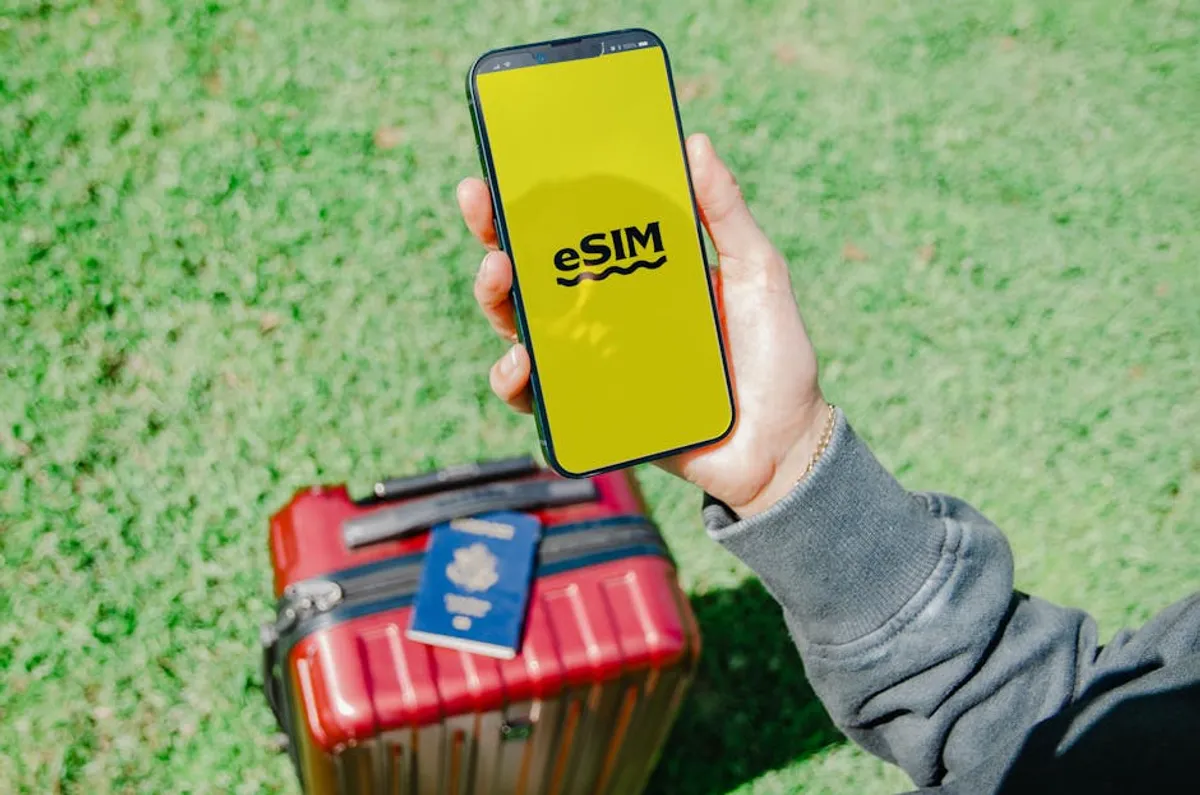
International travel often presents a dilemma regarding mobile connectivity: rely on expensive roaming from your home provider, scramble for local SIM cards upon arrival, or hunt for unreliable public Wi-Fi. Each option carries its own set of compromises, from unexpected bills to security risks or wasted time. Travel eSIMs offer a distinct alternative, providing a digital solution to maintain data access across borders. Understanding their functionality, advantages, and limitations is crucial for travelers seeking predictable costs and seamless communication.
Understanding Travel eSIMs
What an eSIM Is and How It Differs
An eSIM, or embedded SIM, is a small chip permanently built into a device's hardware, replacing the traditional physical plastic SIM card. Instead of swapping physical cards, an eSIM allows users to download and activate cellular plans digitally. This means a single device can store multiple eSIM profiles from different carriers or for various regions, switching between them as needed. For travelers, this eliminates the need to purchase, insert, and manage physical SIM cards in each new country, streamlining the process of obtaining local mobile data.
Key Advantages for Travelers
- Convenience and Flexibility: Activate a data plan before departure or upon landing, avoiding queues at airports or searching for local stores. Manage multiple plans for different countries from one device, switching profiles with a few taps.
- Cost Efficiency: Access local data rates, which are often significantly cheaper than international roaming charges from home providers. Many eSIM plans offer competitive per-GB rates tailored for short-term travel.
- Instant Activation: Purchase and activate plans digitally, often within minutes, without requiring physical delivery or in-person registration. This provides immediate connectivity upon arrival.
- Multi-Network Access: Some global eSIM providers partner with multiple local networks in a given country, offering broader coverage and the ability to switch between providers if one network has poor signal.
- Environmental Impact: Reduces the production and disposal of plastic SIM cards, aligning with sustainability efforts.
Potential Limitations to Consider
While eSIMs offer significant benefits, they are not universally applicable. Device compatibility is the primary hurdle; only newer smartphone models, tablets, and smartwatches support eSIM technology. Older devices will still require a physical SIM. Furthermore, while eSIM providers offer extensive global coverage, the depth of local network partnerships can vary. In some remote areas or less-traveled countries, the selection of eSIM plans might be more limited compared to traditional local SIM card options. Initial setup, while digital, can also present a learning curve for first-time users.
Selecting the Right Travel eSIM Plan
Evaluating Coverage and Network Partners
The effectiveness of a travel eSIM plan hinges on its underlying network partnerships. Before committing, research which local mobile networks the eSIM provider utilizes in your destination. A plan that relies on a single, weaker network might lead to connectivity issues, even if the price is attractive. Prioritize providers that partner with major, well-regarded carriers in the specific regions you plan to visit, ensuring reliable signal strength and data speeds.
Data Allowances and Validity Periods
Match the eSIM plan's data allowance to your estimated usage. Overestimating leads to unused data, while underestimating can result in costly top-ups or service interruptions. Consider your typical data consumption for navigation, social media, email, and streaming. Similarly, align the validity period with your trip duration. Plans often come with options ranging from 7 to 30 days, or even longer. Opting for a plan that expires too soon or too late can be inefficient.
Pricing Models and Cost Per GB
Travel eSIM plans typically operate on a prepaid model, where you purchase a set amount of data for a fixed period. Compare the cost per gigabyte (GB) across different providers. Some plans offer better value for larger data packages, while others are more competitive for smaller, short-term needs. Be aware of any activation fees, service charges, or taxes that might not be immediately apparent in the headline price. Transparent pricing is a key indicator of a reputable provider.
Pro Tip: Before purchasing a travel eSIM, always verify your device's compatibility. Not all smartphones support eSIM technology, and checking beforehand prevents activation issues and ensures seamless connectivity upon arrival. Consult your device manufacturer's specifications or the eSIM provider's compatibility list to confirm.
Activating and Managing Your eSIM
Installation Process Steps
The installation process for an eSIM typically involves scanning a QR code provided by the eSIM vendor, which automatically downloads the profile to your device. Alternatively, some providers offer manual installation by entering specific details like an SM-DP+ Address and Activation Code into your phone's settings. Many also offer app-based activation, guiding users through the setup within their dedicated mobile application. Once installed, you will usually need to enable the eSIM profile in your device's cellular settings and select it for mobile data.
Monitoring Data Usage and Topping Up
Most reputable eSIM providers offer a dashboard or mobile app where you can monitor your remaining data allowance and plan validity in real-time. This allows you to track consumption and avoid unexpected data depletion. If you anticipate needing more data, the same platforms usually facilitate purchasing top-ups or extending your plan's validity. Familiarize yourself with these management tools before your trip to ensure seamless control over your connectivity.
Making an Informed Decision for Your Next Trip
Choosing a travel eSIM involves balancing convenience, cost, and coverage. Begin by confirming your device supports eSIM technology. Next, assess your data needs based on your travel style and duration. Research providers thoroughly, focusing on their network partnerships in your specific destinations to ensure robust coverage. Compare pricing models, looking beyond the headline cost to understand the true cost per GB and any potential hidden fees. Finally, review the activation and management processes to ensure they are straightforward and align with your comfort level. By systematically evaluating these factors, you can select an eSIM solution that provides reliable and cost-effective connectivity throughout your international journey.
Frequently Asked Questions About Travel eSIMs
Can I use my regular SIM and an eSIM simultaneously?
Yes, most modern smartphones that support eSIM functionality also support Dual SIM Dual Standby (DSDS), allowing you to use your physical SIM for calls and texts from your home number while using the eSIM for data in your travel destination.
What happens if I run out of data on my eSIM?
If your data allowance is depleted, your internet access will cease. Most eSIM providers allow you to purchase additional data (a "top-up") directly through their website or mobile app, which reactivates your service.
Are travel eSIMs secure?
eSIM technology is inherently secure, as the profiles are digitally encrypted and provisioned by trusted carriers. However, general mobile security practices, such as using VPNs on public Wi-Fi, remain important for overall data protection.
Do travel eSIMs support voice calls and SMS?
Many travel eSIM plans are data-only. For voice calls and SMS, you would typically rely on internet-based apps (VoIP services like WhatsApp, FaceTime Audio, Skype) or continue to use your home SIM for these services if your device supports Dual SIM functionality.