Navigating the smart home landscape as a beginner requires a foundational understanding of device categories and their underlying technologies. Rather than focusing on specific brands or the latest features, a strategic approach prioritizes core device types that offer clear utility, ease of integration, and a pathway for future expansion. This perspective helps first-time users build a functional, reliable smart home ecosystem without unnecessary complexity or redundant purchases.
Foundational Smart Home Device Categories
Smart Hubs and Controllers
Smart hubs serve as the central nervous system for a connected home, coordinating communication between various devices that might otherwise operate on disparate protocols. While many individual smart devices can function independently via Wi-Fi, a dedicated hub enables more complex automations, cross-brand compatibility, and often improves reliability by offloading network traffic from your primary router. For beginners, understanding whether a device requires a hub or can integrate directly with an existing smart speaker (which often includes basic hub capabilities) is critical for managing initial setup and long-term scalability.
Best for: Users planning multi-device automations, integrating various brands, or seeking enhanced local control and reliability over cloud-dependent solutions.
Smart Lighting
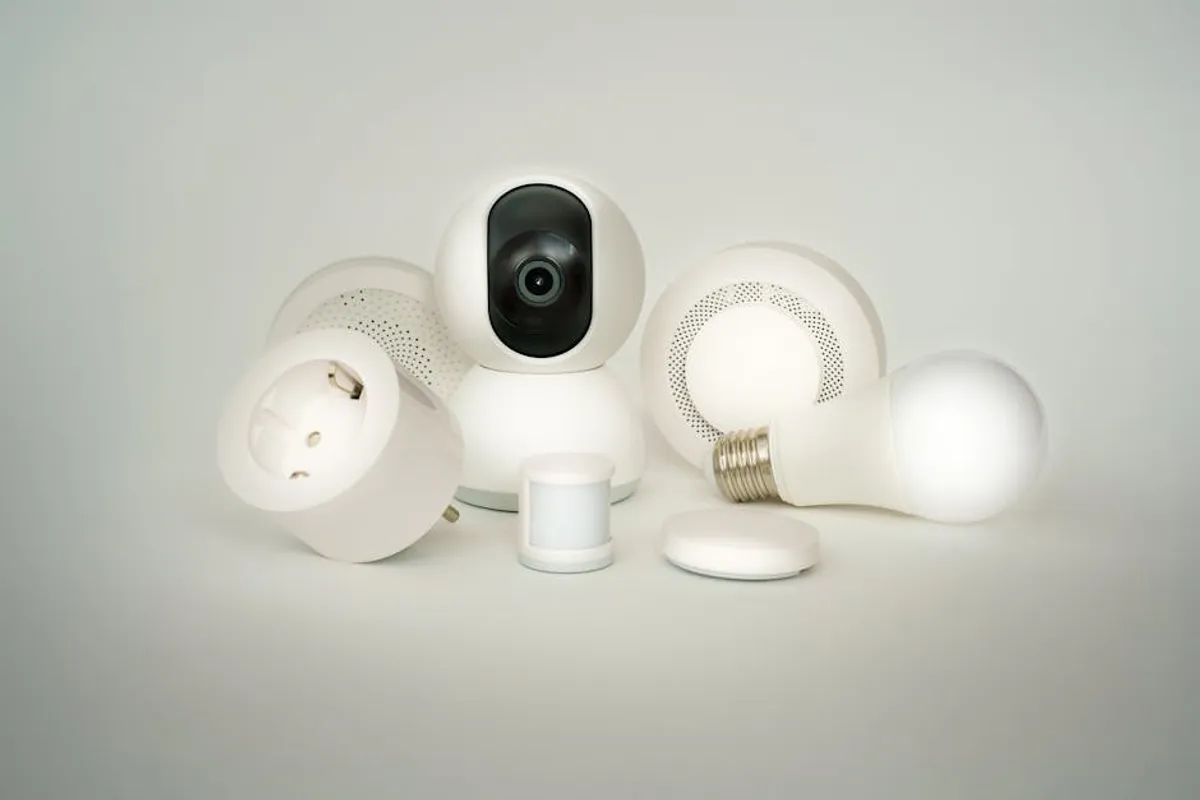
Smart lighting represents one of the most accessible entry points into smart home technology. These devices replace traditional bulbs with app- and voice-controlled alternatives, offering immediate benefits in ambiance control and potential energy savings. Installation typically involves screwing in a bulb and connecting it to a Wi-Fi network or a smart hub. Beyond simple on/off functionality, many smart bulbs offer dimming capabilities, color temperature adjustments, and full RGB color changes, allowing users to tailor lighting to specific moods or activities. Scheduling features automate lighting routines, contributing to both convenience and security.
Key features: Dimmable, color-changing, scheduling, remote access, energy monitoring (on some models).
Smart Plugs
Smart plugs provide a cost-effective method to integrate non-smart appliances into a smart home ecosystem. These devices plug into a standard wall outlet, and the appliance then plugs into the smart plug. This setup allows for remote control of power to the connected appliance via an app or voice commands. They are particularly versatile for lamps, coffee makers, fans, or even holiday lights, offering scheduling capabilities and the ability to turn devices on or off from anywhere. Some advanced smart plugs also include energy monitoring, providing insights into power consumption for connected devices.
Considerations: Confirm compatibility with your chosen smart home ecosystem (e.g., Alexa, Google Home). Assess if energy monitoring is a desired feature for tracking appliance usage.
Smart Speakers and Displays
Smart speakers and displays act as the primary voice interface for many smart homes, enabling hands-free control over connected devices, information retrieval, and entertainment. Devices like the Amazon Echo Dot or Google Nest Mini offer basic voice command functionality, while smart displays like the Google Nest Hub or Amazon Echo Show add visual feedback, video calling, and media consumption capabilities. These devices often include built-in support for Wi-Fi-connected smart devices and can serve as a rudimentary hub for certain ecosystems, simplifying the initial setup for beginners.
Beyond voice: Smart displays offer visual feedback for camera feeds, shopping lists, weather forecasts, and media streaming, enhancing the interactive smart home experience.
Entry-Level Smart Security Devices
For beginners concerned with home safety, entry-level smart security devices offer peace of mind with relatively straightforward installation. This category includes basic door/window sensors and simple indoor security cameras. Door/window sensors alert users to unauthorized entry, providing real-time notifications to a smartphone. Indoor cameras offer remote viewing, motion detection, and often two-way audio, allowing users to monitor their home and communicate with occupants or pets. These devices typically integrate with a chosen smart home ecosystem or a dedicated security app, offering an accessible starting point for home monitoring without the complexity of a full-scale alarm system.
Focus: Real-time alerts, remote monitoring, local storage options or cloud subscription models for video recording, and integration with existing voice assistants.
Crucial Factors for Initial Smart Home Setup
Ecosystem Choice and Compatibility
The selection of a smart home ecosystem—primarily Amazon Alexa, Google Home, or Apple HomeKit—is a foundational decision that impacts device compatibility, integration seamlessness, and overall user experience. Each ecosystem offers distinct advantages:
- Amazon Alexa: Known for broad device support and a voice-first interface, ideal for users prioritizing extensive device options and robust voice control.
- Google Home: Integrates deeply with Google services, offering strong AI capabilities and contextual understanding, suited for Android users or those leveraging Google's search and calendar functions.
- Apple HomeKit: Prioritizes user privacy and offers deep integration within the iOS ecosystem, though its device compatibility list is generally more curated.
- Independent Hubs (e.g., SmartThings): Provide greater flexibility for integrating devices across multiple brands and protocols, but often involve a more complex initial setup.
Choosing an ecosystem early on helps streamline device selection and ensures a cohesive user experience.
Connectivity Protocols
Understanding how smart devices communicate is vital for reliable operation. The primary protocols include:
- Wi-Fi: Common for many standalone devices like smart plugs and cameras. Connects directly to your home router, potentially increasing network congestion with numerous devices.
- Zigbee and Z-Wave: Low-power mesh networking protocols often used by smart hubs. Devices create a self-healing network, extending range and improving reliability, especially for sensors and lighting. Requires a compatible hub.
- Bluetooth: Used for short-range connections, often for initial setup or direct control of nearby devices. Less common for whole-home automation due to range limitations.
Devices supporting open standards like Matter are designed to improve interoperability across different ecosystems, simplifying future expansion.
Privacy, Security, and Data Handling
As smart home devices collect data through microphones, cameras, and usage patterns, understanding privacy and security implications is paramount. Beginners should prioritize devices from reputable manufacturers with clear privacy policies. Key security practices include using strong, unique passwords, enabling two-factor authentication (2FA) where available, and regularly updating device firmware to patch vulnerabilities. Consider the placement of cameras and microphones carefully, and review data retention policies for cloud-based services. Understanding how to protect personal data across apps and devices is a vital step in securing your smart home environment.
PRO TIP: Prioritize devices that support open standards like Matter, or those with strong cross-platform compatibility. This prevents vendor lock-in and ensures your smart home can evolve without requiring a complete system overhaul if you decide to switch ecosystems later.
Building Your First Smart Home Foundation
Starting with smart home technology does not require an immediate overhaul of your entire residence. Instead, focus on identifying specific pain points or areas where automation can offer immediate, tangible benefits. Begin with one or two device types that address these needs, such as smart lighting to improve ambiance or smart plugs to automate daily routines. This incremental approach allows you to learn the nuances of your chosen ecosystem, understand device interactions, and gradually expand your smart home capabilities with purpose. Prioritize ease of installation and integration for your initial purchases to ensure a positive first experience and build confidence for more complex setups.
Frequently Asked Questions About Smart Home Devices
Do I need a smart home hub to get started?
Not always. Many smart devices, particularly those using Wi-Fi, can connect directly to your home network and be controlled via an app or a smart speaker. However, a dedicated smart home hub can enhance functionality by enabling more complex automations, improving device compatibility across brands, and creating a more robust local network for devices using Zigbee or Z-Wave protocols.
Are smart home devices secure?
The security of smart home devices varies by manufacturer and user practice. To enhance security, choose reputable brands, use strong and unique passwords, enable two-factor authentication (2FA), and regularly update device firmware. Be mindful of privacy settings for cameras and microphones, and understand how your data is collected and stored by device manufacturers.
Can I mix and match devices from different brands?
Yes, mixing and matching devices is often possible, but compatibility is key. Many devices are designed to work with major ecosystems like Amazon Alexa, Google Home, or Apple HomeKit. Look for "Works with Alexa" or "Google Assistant compatible" labels. Devices supporting the Matter standard are specifically designed for improved interoperability across different platforms, simplifying the process of integrating various brands into a single smart home system.
What's the easiest smart home device to start with?
Smart plugs and smart bulbs are frequently recommended as the easiest entry points for beginners. Both offer simple installation—just plug them in or screw them into a light socket—and provide immediate, tangible benefits like remote control, scheduling, and voice command integration without requiring extensive setup or technical knowledge.