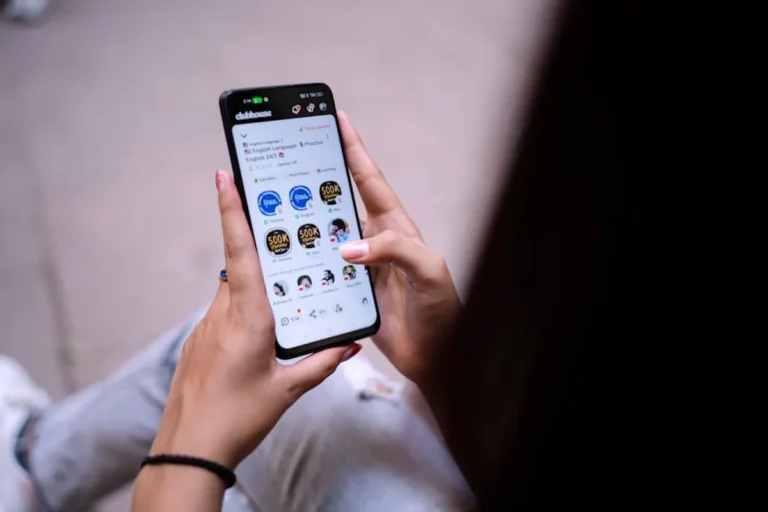

Mobile app publishers face a constant challenge: acquiring new users is only half the battle. The other, often more critical, half is retaining them. App churn—the rate at which users uninstall an app or cease to engage with it over a specific period—directly impacts revenue, growth metrics, and the long-term viability of an application. A high churn rate signals underlying issues with user experience, value proposition, or technical performance, eroding marketing investments and hindering scalability. Understanding the multifaceted causes of churn and implementing targeted, data-driven strategies is paramount for any app aiming for sustained success.
Understanding the Drivers of App Churn
Effective churn reduction begins with accurately diagnosing why users disengage. These drivers are rarely singular and often interact, creating a complex retention challenge.
Initial Experience Friction
Many users churn within the first few days of download. This early departure often stems from a poor or confusing onboarding process, an unclear value proposition, or an immediate mismatch between user expectations and the app's reality. If an app fails to demonstrate its core benefit quickly or demands too much effort upfront, users will abandon it.
Perceived Value Gap
Users download apps to solve a problem or fulfill a need. If the app's features do not consistently deliver on this promise, or if the perceived value diminishes over time, engagement will decline. This can be due to a lack of relevant updates, features becoming obsolete, or the app simply not integrating effectively into the user's daily workflow.
Lack of Engagement and Relevancy
Even after a successful onboarding, sustained engagement is not guaranteed. Users may churn if the app becomes dormant in their usage patterns. This often results from generic notifications, irrelevant content, or a failure to adapt the app experience to individual user preferences and behaviors over time. Stagnant functionality also contributes, as users expect evolving utility.
Technical Performance Issues
Performance directly impacts user satisfaction. Frequent crashes, slow loading times, excessive battery drain, or unresponsive interfaces create frustration. Users have high expectations for stability and speed, and consistent technical glitches will inevitably lead to uninstalls, regardless of an app's core utility.
Competitive Pressure
The app marketplace is saturated. Users have numerous alternatives for nearly every app category. If a competitor offers a superior experience, more robust features, or a better price point, users are likely to migrate. This external factor emphasizes the need for continuous innovation and differentiation.
Strategies to Proactively Combat Churn
Addressing churn requires a systematic approach, combining data analysis with strategic interventions across the user lifecycle.
Optimize Onboarding for Immediate Value
The initial user journey must be streamlined to highlight the app's core benefit rapidly. This involves:
- Minimizing friction: Reduce required sign-up steps, avoid excessive permissions requests, and offer clear skip options for non-essential tutorials.
- Showcasing core features: Use interactive walkthroughs or short, contextual hints to guide users to their "aha!" moment, demonstrating immediate utility.
- Personalization: Allow users to customize their experience early on, making the app feel tailored from the start.
Best for: Reducing day-1 to day-7 churn rates.
Implement Targeted In-App Messaging
Generic push notifications are often ignored or lead to uninstalls. Instead, leverage in-app messaging that is contextual and personalized.
Example: A productivity app could send a message about an unused feature only after a user has completed a related task multiple times, suggesting an upgrade to their workflow rather than a random prompt.
This fosters engagement by providing relevant information or nudges at opportune moments, reinforcing the app's value.
Leverage Data for Personalized Experiences
Collect and analyze user behavior data to understand individual preferences and usage patterns. This data enables:
- Dynamic content delivery: Tailor content feeds, recommendations, or feature visibility based on past interactions.
- Predictive analytics: Identify users exhibiting churn indicators (e.g., declining session frequency, reduced feature usage) to intervene before they fully disengage.
Best for: Sustaining long-term engagement and identifying at-risk segments.
Enhance Technical Stability and Performance
Regularly monitor app performance metrics, including crash rates, load times, and API response times. Prioritize bug fixes and performance optimizations in development cycles. Implement thorough QA testing across various devices and operating systems to ensure a consistent, reliable experience. A smooth, fast, and stable app builds trust and reduces frustration.
Foster a Community and Feedback Loop
Provide accessible channels for user feedback, such as in-app surveys, direct support, or community forums. Actively listen to user suggestions and address pain points. Publicly communicate how feedback influences updates and new features. This creates a sense of ownership and demonstrates that user input is valued, building loyalty.
Strategic Feature Development and Communication
New features should address identified user needs or market gaps, not simply add complexity. Communicate updates clearly, explaining the benefits to existing users. Highlight how new functionalities enhance the current experience or solve new problems, reinvigorating interest and perceived value.
Re-engagement Campaigns for At-Risk Users
For users showing signs of disengagement, implement targeted re-engagement strategies. This could involve:
- Personalized email campaigns: Offer incentives, highlight new features, or remind users of uncompleted tasks.
- Push notifications: Deliver highly relevant messages that offer a clear reason to return, such as a personalized deal or an update on content they previously engaged with.
- Deep linking: Direct users back into a specific, valuable part of the app, minimizing friction upon return.
Best for: Recovering users before complete churn.
Pro Tip: When analyzing churn data, avoid focusing solely on the overall churn rate. Segment your users by acquisition channel, demographic, usage pattern, and device type. Churn drivers for a user acquired through a paid ad campaign might differ significantly from those for an organic download. Granular analysis reveals specific pain points and allows for more precise, impactful interventions.
Sustaining User Loyalty
Reducing app churn is an ongoing process, not a one-time fix. It requires continuous monitoring, iterative improvement, and a user-centric mindset. Regularly revisit user feedback, analyze performance metrics, and adapt your strategies to evolving user expectations and market dynamics. By consistently delivering value, optimizing the user experience, and proactively addressing potential issues, you can transform transient users into loyal, long-term advocates who contribute to sustainable app growth.
Frequently Asked Questions About App Churn
What is a good app churn rate?
A "good" app churn rate varies significantly by industry, app type, and business model. For example, gaming apps often have higher churn than utility apps. Generally, a monthly churn rate below 5% is often considered healthy, but it's more critical to track your own trends and compare against direct competitors or industry benchmarks relevant to your specific niche.
How does churn impact app revenue?
App churn directly impacts revenue by reducing the active user base available for monetization through subscriptions, in-app purchases, or advertising. High churn necessitates increased spending on user acquisition just to maintain user numbers, eroding profitability. Loyal users, in contrast, often exhibit higher lifetime value (LTV) and are more likely to convert or spend more over time.
What are the first steps to identify churn reasons?
Begin by analyzing in-app analytics data to identify common drop-off points in the user journey, frequently unused features, and performance bottlenecks. Supplement this quantitative data with qualitative insights from user surveys, app store reviews, and direct feedback to understand the "why" behind user behavior. Segmenting users by their churn behavior can also reveal patterns.
Can app churn be completely eliminated?
No, app churn cannot be completely eliminated. Some level of user turnover is natural due to changing user needs, device upgrades, or competitive shifts. The goal is to minimize avoidable churn through proactive strategies, maximize user lifetime value, and ensure the rate of new user acquisition outpaces the rate of user loss for sustainable growth.