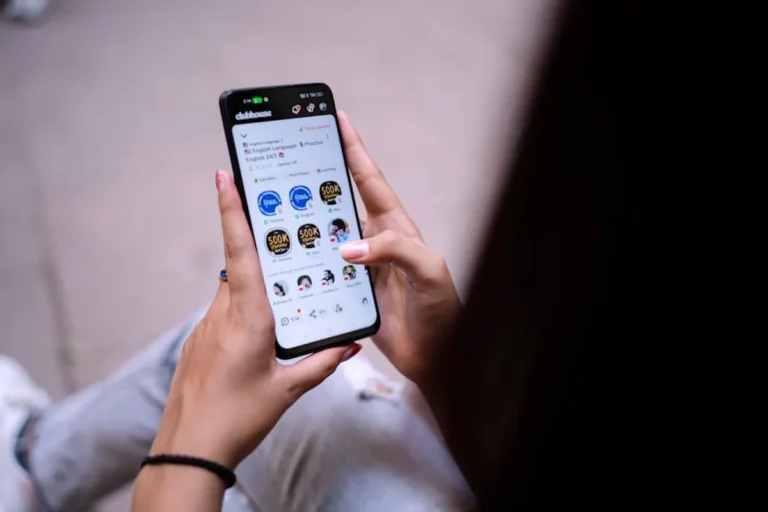

Monetizing a free app requires a strategic balance between offering compelling value to users and generating sustainable revenue. The "free" label attracts a broad audience, but converting that audience into income without alienating them is the core challenge. The decision isn't about choosing one method, but understanding how different models align with your app's functionality, user base, and long-term goals. Each approach carries distinct implications for user experience, development effort, and revenue potential, demanding careful consideration to ensure profitability without compromising user retention.
Core Monetization Models for Free Apps
In-App Advertising
In-app advertising remains a primary revenue stream for many free applications, especially those with high daily active users and frequent sessions. The effectiveness hinges on selecting appropriate ad formats and integrating them without disrupting the user experience. Different ad types yield varying eCPM rates and user engagement levels.
- Banner Ads: These static or animated ads appear at the top or bottom of the screen. They offer consistent, albeit low, eCPM rates, making them suitable for apps with high daily active users and long session times where disruption is minimized. Their low intrusiveness means they are less likely to cause immediate user churn, but their revenue contribution is often marginal per impression.
- Interstitial Ads: Full-screen ads that appear at natural transition points, such as between game levels or content sections. They typically deliver higher eCPM rates than banner ads due to their larger size and higher visibility. However, timing is critical; poorly timed interstitials can severely frustrate users and lead to uninstalls.
- Rewarded Video Ads: Users opt to watch a video ad in exchange for an in-app reward, like virtual currency, extra lives, or premium feature access. This model drives high engagement and completion rates because it is user-initiated and provides clear value. It's particularly effective in gaming apps and utility tools where users actively seek benefits.
- Native Ads: These ads are designed to seamlessly blend with the app's user interface and content. They are less disruptive than traditional ad formats and often achieve higher engagement rates because they appear as a natural part of the app experience. Implementing native ads requires careful design and integration to maintain authenticity.
In-App Purchases (IAP)
IAPs allow users to buy digital goods, services, or enhanced features directly within the app. This model capitalizes on user investment and desire for improved functionality or personalization, often yielding higher average revenue per user (ARPU) compared to advertising alone.
- Consumables: Items that can be used up and repurchased, such as virtual currency, power-ups, extra lives, or temporary boosts. Consumables drive repeat purchases, particularly effective in gaming apps where progression often requires resource expenditure. The key is to offer these items as accelerators or conveniences, not necessities for basic gameplay.
- Non-Consumables: Permanent unlocks that users buy once, like ad removal, premium features, character skins, or new content packs. These appeal to users who value a permanent upgrade or a one-time purchase to enhance their experience without recurring costs. Offering an ad-free version via IAP is a common and effective strategy.
- Subscriptions: Provide recurring access to premium content, ad-free experiences, cloud storage, or exclusive features on a weekly, monthly, or annual basis. Subscriptions are ideal for apps that offer continuous value, such as content streaming, productivity tools, or news platforms, ensuring a predictable revenue stream.
Freemium Model
The freemium model offers a basic version of the app for free, with advanced features or an enhanced experience available through a paid upgrade (often via IAP or subscription). This approach attracts a wide user base with zero entry barrier, then converts a subset to paying customers by demonstrating the value of premium functionality.
Best for: Productivity apps, content platforms, and utility tools where a core set of features is useful, but advanced capabilities significantly enhance the user's workflow or access. The challenge lies in defining the boundary between free and premium features to encourage upgrades without making the free version feel incomplete.
Affiliate Marketing and Sponsorships
These methods integrate external commercial opportunities directly into the app's experience, often in a less intrusive manner than traditional ads.
- Affiliate Links: Contextually relevant product or service recommendations within the app that link to external retailers. For example, a recipe app could link to ingredients or kitchen tools. Revenue is generated through commissions on sales or leads.
- Brand Sponsorships: Direct partnerships with brands to integrate their products or messaging into the app. This can range from sponsored content and in-app events to branded virtual items. Sponsorships require careful alignment between the brand's values and the app's audience to maintain credibility.
Key Considerations for Implementation
Prioritizing User Experience (UX)
Aggressive ad placement or forced IAP prompts directly correlate with higher uninstallation rates and negative reviews. Monetization strategies must prioritize user flow and integrate revenue points organically. A poor user experience, even if initially revenue-generating, leads to churn and ultimately reduces lifetime value. Consider the frequency of ads, their placement, and the perceived value of any IAP. For instance, rewarded videos are effective because they are opt-in and provide a clear benefit to the user.
Pro Tip: Implement a "grace period" for new users, delaying monetization attempts for the first few sessions. This allows users to experience the app's core value proposition before encountering ads or IAP prompts, increasing initial retention and making subsequent monetization efforts more palatable.
Data-Driven Optimization with A/B Testing and Analytics
Continuous A/B testing of ad formats, frequency caps, IAP price points, and premium feature offerings provides data-driven insights for maximizing revenue without compromising user retention. Analytical tools allow developers to track key metrics like ARPU, conversion rates, churn rates, and ad engagement. This data informs iterative adjustments to monetization strategies, ensuring they are optimized for both profitability and user satisfaction. Understanding user segments—who buys, who watches ads, who churns—is critical for targeted approaches.
Localization of Monetization Strategies
Monetization strategies must account for regional purchasing power, cultural norms, and preferred payment methods. An IAP price point optimal in one market may be prohibitive or undervalued in another. Similarly, certain ad types or sponsored content may resonate differently across diverse demographics. Localizing pricing, ad content, and promotional offers can significantly enhance conversion rates and overall revenue in different geographic markets.
Optimizing Your Monetization Strategy
Effective app monetization is an iterative process, not a one-time setup. It demands continuous monitoring, analysis, and adaptation. Start with a model that aligns with your app's core functionality and user base, then use analytics to understand user behavior and revenue performance. Be prepared to experiment with different ad placements, IAP offerings, and pricing structures. The goal is to find the optimal balance where users perceive value, and the app generates sustainable income. Regularly solicit user feedback and observe market trends to keep your strategy agile and competitive.
Frequently Asked Questions
What is the best monetization model for a free app?
There isn't a single "best" model; the optimal choice depends on your app's category, target audience, and content. Gaming apps often thrive with rewarded video ads and consumable IAPs, while productivity tools might benefit more from freemium subscriptions or non-consumable feature unlocks. Many successful apps combine multiple strategies, such as offering an ad-free experience via IAP alongside rewarded video ads.
How can I avoid annoying users with ads?
To minimize user frustration, implement frequency caps to limit ad exposure, use rewarded video ads that are opt-in and provide value, and integrate native ads seamlessly into the app's design. Avoid full-screen interstitials during critical user tasks or immediately upon app launch. A/B test different ad placements and timing to identify what performs best without negatively impacting user retention.
Can I combine different monetization strategies in one app?
Yes, combining strategies is often recommended and can lead to higher overall revenue. For example, you might use banner ads for passive income, offer rewarded video ads for in-game currency, and provide an IAP to remove all ads permanently. The key is to ensure these strategies complement each other and don't create a cluttered or confusing user experience.
How important is user retention for monetization?
User retention is crucial for long-term monetization. A higher retention rate means users are exposed to monetization opportunities over a longer period, increasing the likelihood of ad impressions, IAP conversions, or subscription renewals. Apps with strong retention can generate significantly more revenue per user over their lifetime, making user engagement and satisfaction paramount.