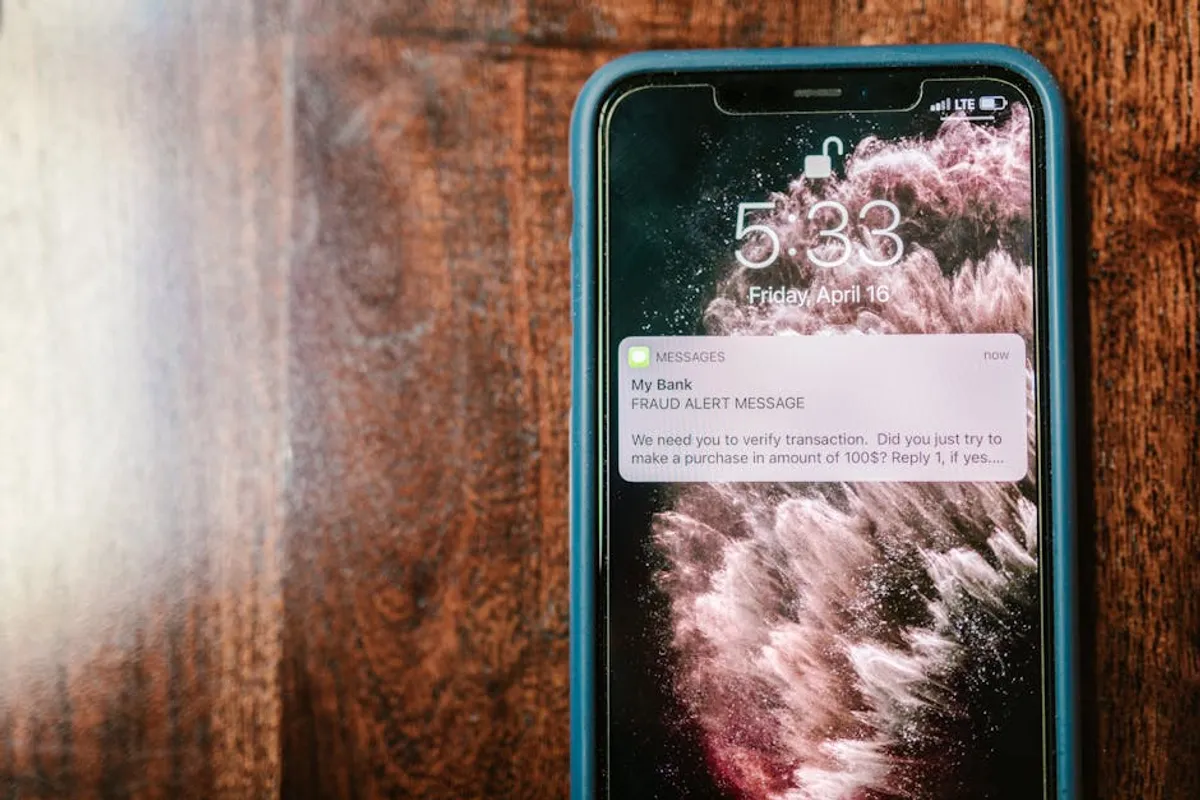
Push notifications represent a direct communication channel for businesses to re-engage their audience, drive specific actions, and cultivate sustained interaction. For SEO professionals, marketers, and site owners, understanding the precise mechanisms and measurable effects of these notifications is crucial for their integration into a broader digital strategy. This article details how push notifications directly influence user engagement, outlining their operational dynamics and the strategic considerations necessary for effective deployment. Understanding the precise mechanisms and measurable effects of these notifications is crucial for their integration into a broader digital strategy, especially when considering user retention strategies.
Understanding Push Notification Mechanics
Push notifications function as permission-based alerts delivered directly to a user's device, bypassing the need for an active application session or browser tab. Their mechanism relies on initial user consent, typically prompted during an app installation or website visit. Once granted, a unique token is generated for the user's device or browser, enabling the server to send targeted messages. This direct delivery contrasts with email or in-app messaging, offering immediate visibility. The core value lies in their ability to interrupt passive user states, bringing attention back to a product or service without requiring the user to initiate contact.
Direct Impact on Engagement Metrics
The primary utility of push notifications is their capacity to influence several key engagement metrics. Their immediate visibility can significantly impact user behavior:
- App/Site Re-engagement: Notifications serve as reminders, prompting users to revisit an application or website. A well-timed notification about new content, a cart abandonment, or a special offer can directly lead to increased session starts.
- Conversion Rates: By delivering time-sensitive offers, personalized recommendations, or reminders about incomplete transactions, push notifications can shorten the conversion funnel. For e-commerce, cart abandonment reminders sent via push often yield higher conversion rates than email due to their immediacy.
- Retention and Churn Reduction: Regular, relevant communication helps maintain user interest and reinforces the value proposition. Consistent, non-intrusive notifications can reduce the likelihood of users forgetting about an app or service, thereby lowering churn rates over time.
- Feature Adoption: When new features are rolled out, push notifications can highlight their existence and benefits, guiding users to explore and integrate them into their usage patterns.
- Session Duration and Depth: While not directly increasing session duration, notifications can direct users to specific, high-value content or features, potentially leading to more meaningful and longer interactions once inside the platform.
Strategies for Optimizing Push Notification Effectiveness
Maximizing the positive impact of push notifications requires a strategic approach that moves beyond simple broadcast messaging. Effectiveness hinges on relevance and perceived value.
Segmentation and Personalization
Sending generic notifications to an entire user base often leads to high opt-out rates and notification fatigue. Segmenting users based on behavior, demographics, preferences, or past interactions allows for highly targeted messaging. Personalization, such as addressing users by name or referencing their specific interests, significantly increases relevance and click-through rates. For example, an e-commerce site might send a notification about a discount on items previously viewed by a specific user, rather than a general site-wide sale announcement.
Timing and Frequency
The 'when' and 'how often' are critical. Sending notifications during peak engagement hours for a specific audience segment, or when a user is most likely to act (e.g., within an hour of cart abandonment), yields better results. Over-notifying users, even with relevant content, can lead to annoyance and unsubscription. Establishing a frequency cap and respecting user-defined quiet hours are essential for maintaining a positive user experience.
Rich Media and Interactivity
Beyond plain text, rich push notifications incorporating images, GIFs, videos, or interactive buttons (e.g., "View Product," "Add to Cart," "Remind Me Later") can significantly enhance engagement. These elements make notifications more visually appealing and provide immediate calls to action, reducing friction in the user journey.
Clear Value Proposition
Every notification should offer a clear and immediate benefit to the user. Whether it's a discount, a piece of useful information, an update on an order, or a prompt to engage with new content, the value must be evident at a glance. Ambiguous or self-serving notifications are quickly dismissed and contribute to negative perceptions.
Pro Tip: Implement A/B testing for notification content, timing, and calls to action. Small iterative improvements based on empirical data can lead to significant gains in engagement and conversion rates over time. Never assume what resonates; always test and validate.
Mitigating Negative User Experiences
While powerful, push notifications carry the risk of alienating users if not managed carefully. The primary negative outcome is the user opting out of notifications entirely, effectively closing a direct communication channel. This often stems from:
- Irrelevance: Notifications that don't align with user interests or past behavior.
- Excessive Frequency: Sending too many notifications within a short period.
- Poor Timing: Delivering notifications at inconvenient hours.
- Lack of Value: Messages that offer no clear benefit or are perceived as spam.
To mitigate these issues, businesses should prioritize user control, offering clear options to manage notification preferences (e.g., frequency, types of notifications). Transparency about why notifications are being sent and what value they provide can also build trust and reduce opt-out rates.
Measuring Push Notification Performance
Effective management of push notifications requires robust analytics to track their impact. Key metrics include:
- Opt-in Rate: The percentage of users who agree to receive notifications. A low opt-in rate indicates issues with the permission prompt or perceived value.
- Delivery Rate: The percentage of notifications successfully delivered to devices.
- Click-Through Rate (CTR): The percentage of users who clicked on a notification after receiving it. This is a primary indicator of message relevance and effectiveness.
- Conversion Rate: The percentage of users who complete a desired action (e.g., purchase, sign-up) after clicking a notification.
- Opt-out Rate: The percentage of users who disable notifications. A rising opt-out rate signals problems with content, frequency, or timing.
- Retention Rate: Tracking how notification engagement correlates with long-term user retention.
Analyzing these metrics provides actionable insights into what strategies are working and where adjustments are needed to optimize engagement.
Developing an Engagement-Focused Push Strategy
Integrating push notifications into a comprehensive digital strategy demands continuous optimization. Start by defining clear objectives for each notification campaign, whether it's driving sales, increasing app usage, or disseminating critical updates. Implement a user-centric approach, prioritizing relevance and value over mere message volume. Regularly review performance data, segment your audience effectively, and allow for user preference management. By treating push notifications as a privilege rather than a right, businesses can foster a more engaged and loyal user base, turning immediate alerts into long-term customer relationships.
Frequently Asked Questions
What is the ideal frequency for push notifications?
There is no universal ideal frequency; it varies by industry, user behavior, and content type. The best approach involves A/B testing different frequencies with segmented user groups and monitoring opt-out rates and engagement metrics to find the optimal balance for your specific audience.
How do push notifications differ from email marketing?
Push notifications offer immediate, direct delivery to a user's device screen, often without requiring an app or browser to be open. Email marketing typically requires the user to actively open an email client, and messages are often less time-sensitive. Push notifications are generally shorter and more action-oriented, while emails can convey more detailed information.
Can push notifications reduce app uninstalls?
Yes, strategic use of push notifications can contribute to reducing app uninstalls by maintaining user engagement and reminding them of the app's value. Relevant, personalized, and well-timed notifications can prevent users from forgetting about the app and encourage continued usage, thereby lowering churn.
What metrics indicate successful push notification engagement?
Key metrics include high opt-in rates, strong click-through rates (CTR), positive conversion rates attributable to notifications, and low opt-out rates. Additionally, observing an increase in app opens, session duration, and overall user retention following notification campaigns indicates successful engagement.