
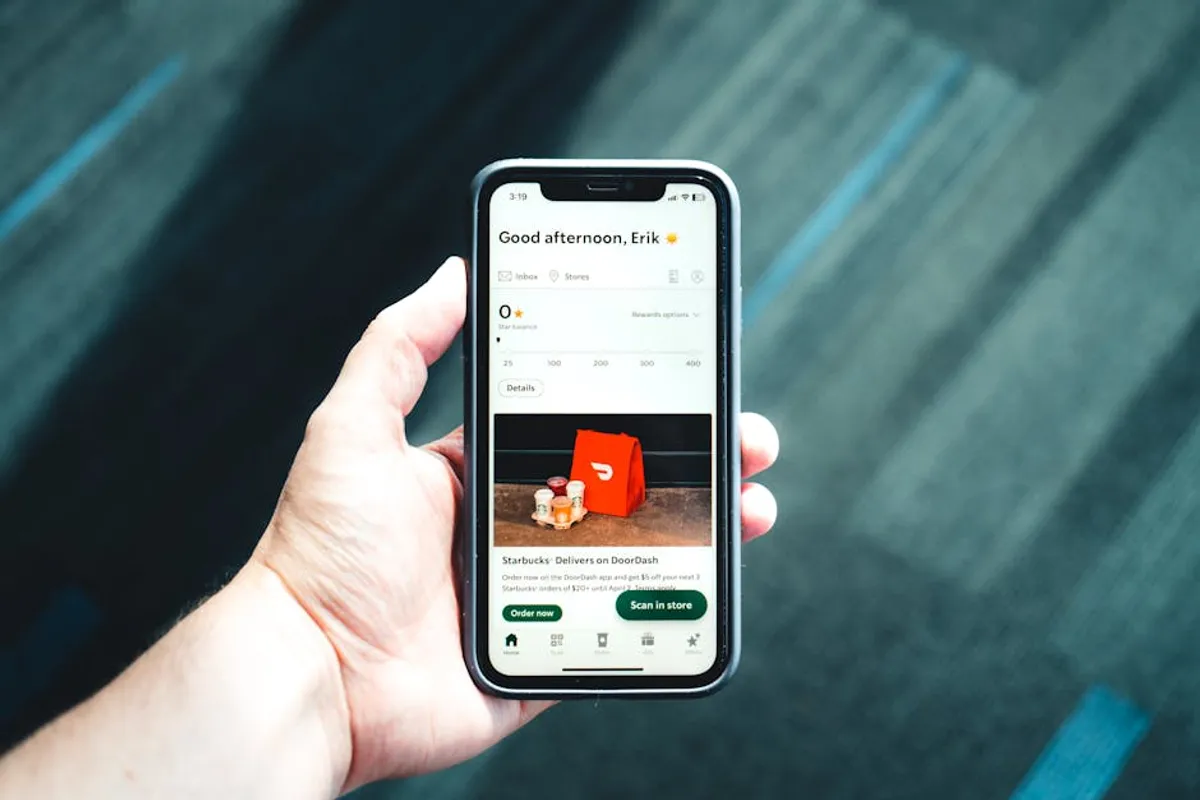
In-app advertising represents a distinct ecosystem within digital marketing, offering unique opportunities and challenges compared to traditional mobile web or desktop campaigns. For marketers, understanding the mechanics of in-app ads is crucial for effective budget allocation and campaign performance. This environment leverages direct integrations into mobile applications, enabling specific targeting capabilities and diverse ad formats that are intrinsically linked to the user experience within an app. Understanding these dynamics is key to effective mobile app user experience strategies.
The Operational Framework of In-App Ads
The fundamental process of delivering an in-app advertisement involves a series of interconnected systems designed for efficiency and scale. At its core, an advertiser seeks to display their message to a relevant audience, and app developers aim to monetize their application's user base. Ad networks and programmatic platforms bridge this gap.
- Ad Networks: These platforms aggregate ad inventory from numerous apps and connect them with advertisers. Developers integrate an SDK (Software Development Kit) from the ad network into their app. This SDK acts as a conduit, allowing the network to request and display ads within the app's designated ad units.
- Programmatic Advertising: Many in-app ad transactions occur programmatically, meaning automated, real-time bidding for ad impressions. Demand-Side Platforms (DSPs) allow advertisers to manage their bids and targeting parameters across various ad exchanges. Supply-Side Platforms (SSPs) help publishers (app developers) manage and sell their ad inventory to the highest bidders. This real-time bidding (RTB) process ensures ads are delivered to the most relevant users at competitive prices.
- Ad Servers: These systems store ad creatives, track impressions and clicks, and manage targeting rules. When an app requests an ad, the ad server determines which ad to serve based on targeting criteria, available inventory, and bidding outcomes.
Core In-App Ad Formats and Their Impact
The choice of ad format significantly influences user perception, engagement rates, and ultimately, campaign performance. Each format interacts with the app experience differently.
Banner Ads
These are static or animated graphic ads typically displayed at the top or bottom of an app's screen, remaining visible while the user interacts with the app content.
Commercial Utility: Best for broad brand awareness and consistent, low-cost impressions. Their non-intrusive nature makes them less likely to disrupt user flow, but also prone to lower engagement rates due to "banner blindness."
Interstitial Ads
Full-screen ads that appear at natural transition points within an app, such as between levels in a game or during content loading. They demand full user attention before the user can proceed.
Commercial Utility: High impact and visibility, suitable for driving app installs or specific actions due to their unavoidable nature. However, poor placement or frequency can lead to user frustration and high abandonment rates.
Rewarded Video Ads
Opt-in video advertisements that offer users an in-app reward (e.g., extra lives, virtual currency, premium features) in exchange for watching the entire ad.
Commercial Utility: Exceptionally high completion rates and engagement because users actively choose to watch for a tangible benefit. Ideal for driving brand recall and specific calls-to-action, particularly within gaming apps, as they align with user goals.
Native Ads
Ads designed to seamlessly match the form and function of the app experience in which they appear. They often blend into content feeds or appear as sponsored listings. Native ads can play a significant role in improving app store conversion rates.
Commercial Utility: Reduced ad fatigue and higher engagement due to their non-disruptive, integrated appearance. They can foster trust by feeling less like a traditional advertisement, making them effective for content discovery and subtle product promotion.
Playable Ads
Interactive mini-game experiences that allow users to sample an app or game directly within the ad unit before committing to a download.
Commercial Utility: Excellent for driving high-quality app installs, especially for games, by providing a direct preview. Users who complete a playable ad often have higher retention rates because they've already experienced the core functionality.
Pro Tip for Advertisers: The effectiveness of in-app ads is highly dependent on context. Avoid placing intrusive ad formats, like interstitials, at critical user journey points where they might interrupt a core task or cause immediate frustration. Prioritize formats that either enhance the user experience (e.g., rewarded video) or blend seamlessly (e.g., native ads) to maintain positive brand perception and conversion rates.
Targeting and Attribution in the In-App Environment
In-app advertising benefits from robust targeting capabilities, often leveraging device-level data and user behavior within the app. Advertisers can target based on:
- Demographics: Age, gender, location.
- Interests and Behaviors: App usage patterns, categories of apps installed, in-app purchases.
- Device Information: Operating system, device model, connection type.
- Contextual Targeting: Displaying ads relevant to the content or functionality of the app itself.
Attribution is critical for measuring campaign success. Mobile Measurement Partners (MMPs) provide independent tracking and analytics, helping advertisers understand which ad impressions and clicks led to specific in-app actions, such as installs, purchases, or subscriptions. This data is essential for optimizing spend and refining targeting strategies.
Monetization Models for In-App Ad Campaigns
Advertisers typically engage with various pricing models to pay for in-app ad placements:
- CPM (Cost Per Mille/Thousand): Advertisers pay for every thousand impressions (views) their ad receives. This model is common for brand awareness campaigns.
- CPC (Cost Per Click): Payment is based on the number of clicks an ad generates. This is often used when the primary goal is to drive traffic to a specific landing page or app store listing.
- CPI (Cost Per Install): Advertisers pay only when a user installs the advertised app. This is a prevalent model for app promotion campaigns, directly tying ad spend to acquisition.
- CPA (Cost Per Action): Payment occurs when a user completes a specific action post-install, such as making a purchase, subscribing, or reaching a certain level in a game. This model aligns ad spend most closely with direct revenue or high-value user engagement.
Optimizing In-App Ad Performance for Marketers
To maximize return on investment from in-app advertising, a strategic approach is necessary:
Creative Relevance: Design ad creatives that are visually appealing and directly relevant to the target audience and the app's context. A/B test different creatives to identify top performers.
Audience Segmentation: Leverage granular targeting options to reach highly specific user segments. Refine these segments based on performance data to improve efficiency.
Frequency Capping: Implement frequency caps to control how often a single user sees an ad. Over-exposure can lead to ad fatigue and negative user sentiment.
Fraud Detection: Employ robust fraud detection tools to identify and mitigate ad fraud, ensuring that ad spend is directed towards legitimate impressions and clicks.
Deep Linking: Utilize deep linking to direct users from an ad directly to a specific page or section within the advertised app, enhancing the user journey and conversion potential.
Continuous Optimization: Regularly analyze campaign data, including impression-to-install rates, retention, and in-app purchase data. Adjust bids, targeting, and creatives based on these insights to improve campaign efficacy over time.
Frequently Asked Questions
How do in-app ads differ from mobile web ads?
In-app ads are displayed within dedicated mobile applications, leveraging SDK integrations and often offering richer, more interactive formats like rewarded video or playable ads. Mobile web ads appear in a mobile browser, relying on browser cookies for tracking and typically using standard banner or interstitial formats.
What is the role of an SDK in in-app advertising?
An SDK (Software Development Kit) is a set of tools and code provided by an ad network or platform that app developers integrate into their applications. It enables the app to communicate with the ad platform, request ads, display them correctly, and track user interactions like impressions and clicks.
How is user privacy handled with in-app ads?
User privacy in in-app advertising is managed through device identifiers like IDFA (Identifier for Advertisers) on iOS and GAID (Google Advertising ID) on Android. Users can typically reset these identifiers or limit ad tracking through their device settings, impacting the ability of advertisers to track and target users across apps.
Which in-app ad format offers the highest engagement?
Rewarded video ads generally offer the highest engagement rates because they are opt-in and provide a clear value exchange to the user. Users actively choose to watch the ad to receive an in-app benefit, leading to higher completion rates and more positive perception compared to forced ad formats.