International travel often presents a dilemma for mobile connectivity: rely on expensive roaming plans, or navigate the complexities of acquiring and installing local physical SIM cards. Both options introduce friction, whether through unforeseen costs or time-consuming logistics upon arrival. eSIM technology fundamentally alters this landscape, offering a digital alternative that streamlines how travelers access mobile data, calls, and texts abroad. Understanding eSIMs is crucial for optimizing mobile travel experiences, providing a pathway to more flexible, cost-effective, and convenient global connectivity.
Understanding eSIM Technology
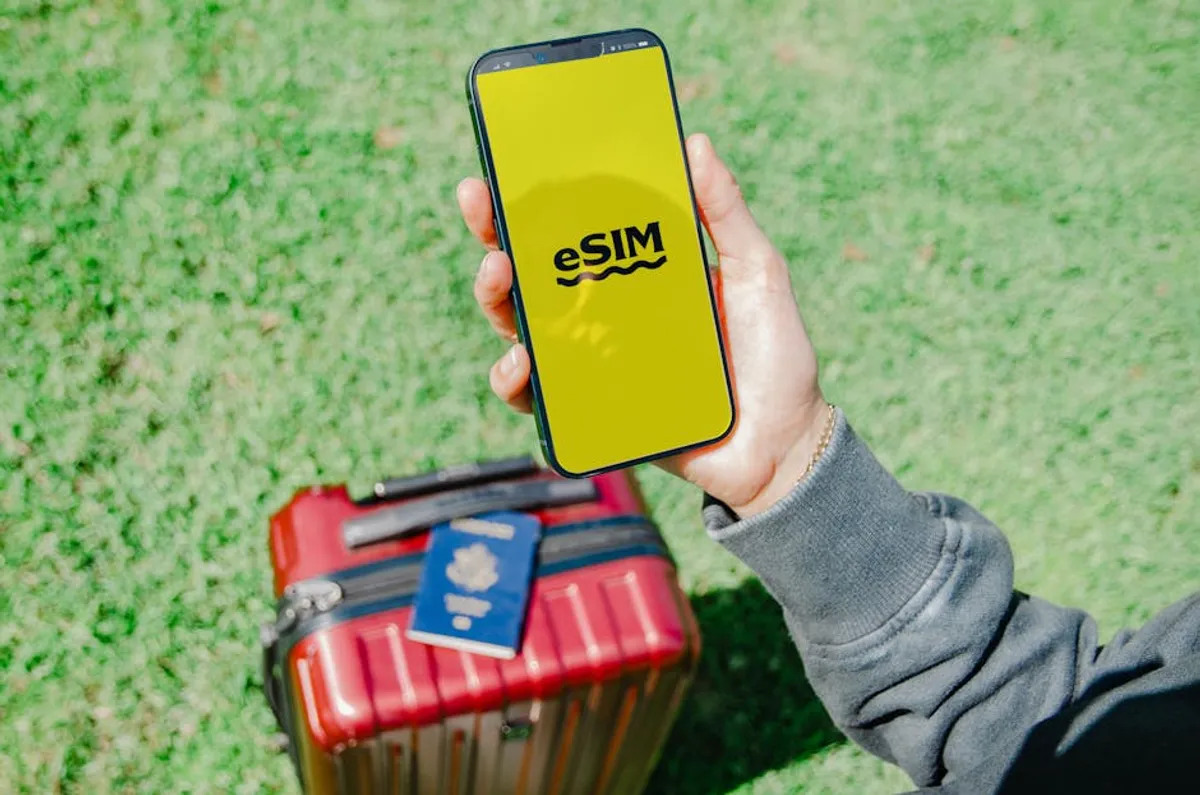
An eSIM, or embedded Subscriber Identity Module, is a small chip built directly into a mobile device during manufacturing. Unlike traditional physical SIM cards that require insertion and removal, an eSIM allows users to activate a cellular plan digitally. This technology replaces the need for a removable plastic card, enabling remote provisioning of network services.
For travelers, this means the ability to switch between different mobile network operators without physically changing SIM cards. The eSIM stores multiple network profiles, allowing users to activate a local data plan in a new country with a few taps on their device, often before even landing. This eliminates the search for local vendors, language barriers, and the risk of losing small physical cards.
How eSIMs Streamline Travel Connectivity
The core advantage of eSIMs in a travel context lies in their inherent flexibility and ease of management. Travelers can maintain their primary home number on their physical SIM (if their device supports both) while activating an eSIM for local data in their destination. This dual-SIM functionality, often supported by modern smartphones, ensures continuity for essential communications while leveraging local rates for data.
Key benefits include:
- Instant Activation: Purchase and activate a data plan online, often within minutes, from anywhere in the world.
- Cost Efficiency: Access local data rates, significantly reducing or eliminating expensive international roaming charges.
- Multi-Country Support: Many eSIM plans offer regional or global coverage, simplifying connectivity across multiple destinations without needing new SIMs for each country.
- Enhanced Security: No physical card to lose, steal, or damage.
- Environmental Impact: Reduces plastic waste associated with traditional SIM cards.
Navigating eSIM Plans for International Use
Selecting the right eSIM plan requires evaluating several factors to match specific travel needs. The market offers a range of options, from data-only packages to comprehensive plans including voice and text, varying by duration, data allowance, and geographic coverage.
Key Considerations for Plan Selection
Data-Only vs. Full Service: Most international travelers primarily need data for navigation, communication apps, and internet access. Data-only eSIMs are often the most economical choice. If local calls or texts are essential, confirm if the plan includes these or if a VoIP app suffices.
Regional vs. Global Coverage: If traveling to multiple countries within a region (e.g., Europe, Southeast Asia), a regional eSIM plan can be more convenient and cost-effective than purchasing individual country-specific plans. Global plans offer broader coverage but may come at a premium.
Data Allowance and Duration: Assess your typical data consumption. Plans range from 1GB for a few days to unlimited data for a month. Consider the length of your trip and your data usage habits to avoid overpaying or running out prematurely. Many providers offer top-up options if more data is needed.
Network Speed and Reliability: Research the network partners of the eSIM provider in your destination. While eSIMs leverage local networks, performance can vary. Prioritize providers known for strong partnerships and reliable service in your target locations.
Implementing eSIMs: Setup and Management
The transition to eSIMs is generally straightforward, but preparedness ensures a seamless experience.
Device Compatibility and Activation
Not all devices support eSIM functionality. Most newer smartphones, tablets, and smartwatches from major manufacturers (Apple, Samsung, Google, Huawei, Motorola) are eSIM-compatible. Always verify your device's compatibility before purchasing an eSIM plan. This information is typically found in your device settings or manufacturer specifications.
Activation Process:
Best for: Users seeking a quick, digital setup.
Activation usually involves scanning a QR code provided by the eSIM vendor, manually entering an activation code, or using a dedicated app. Once activated, the eSIM profile downloads to your device. You can then select it as your primary data line in your device's cellular settings. It is often advisable to activate the eSIM before departure, especially if you anticipate connectivity issues upon arrival.
Managing multiple eSIM profiles is also a key feature. Many devices allow storing several eSIMs simultaneously, though only one can be active for cellular data at any given time. This enables travelers to preload plans for subsequent destinations or keep a backup plan ready.
Pro Tip: Before departing, ensure your device is unlocked by your home carrier. A locked phone will prevent you from activating an eSIM from a different provider, effectively negating one of eSIM's primary benefits for international travel.
Maximizing Your Mobile Travel Experience
eSIM technology represents a significant shift in mobile connectivity for travelers, moving from physical constraints to digital flexibility. By understanding the options and planning ahead, individuals can significantly enhance their international trips, ensuring reliable and affordable access to the internet and communication channels.
Prioritize checking device compatibility, researching plan options based on your specific travel itinerary and data needs, and understanding the activation process. Leverage the dual-SIM capabilities of modern devices to maintain home connectivity while benefiting from local rates abroad. This proactive approach transforms mobile connectivity from a potential travel headache into a seamless, integrated part of the journey.
Frequently Asked Questions About eSIMs
Can I use an eSIM and a physical SIM at the same time?
Yes, most modern smartphones that support eSIM technology also feature dual-SIM functionality, allowing you to use one physical SIM card and one or more eSIMs simultaneously. This is particularly useful for travelers who wish to keep their primary number active while using an eSIM for local data abroad.
What happens if I run out of data on my eSIM plan?
If your eSIM plan is data-limited, you will typically receive a notification when you are nearing your allowance. Most eSIM providers offer options to top up your data directly through their app or website, allowing you to purchase additional data packages as needed without changing your eSIM profile.
Is eSIM technology secure for travel?
eSIM technology is considered highly secure. Unlike physical SIM cards, which can be lost or stolen, an eSIM profile is embedded digitally within your device, making it less susceptible to physical tampering. The activation process often involves secure QR codes or authentication steps, further protecting your cellular plan.
Do eSIMs work in all countries?
While eSIM adoption is rapidly growing, its availability depends on the local network infrastructure and partnerships of eSIM providers. Most major travel destinations and regions offer extensive eSIM coverage. However, it is always advisable to check the specific country coverage provided by your chosen eSIM vendor before your trip.